China Top 10 Natural Gum Rubber Suppliers?
China’s Natural Gum Rubber market deserves careful scrutiny, not a simple supplier list. China remains one of the world’s largest rubber consumers and processors, while domestic output covers only part of industrial demand. The International Rubber Study Group’s World Rubber Industry Outlook tracks global production, consumption, and supply balances. ANRPC’s Natural Rubber Trends & Statistics provides further detail on major producing countries, exports, prices, and seasonal changes.
That context matters for buyers comparing China’s top ten suppliers. A strong supplier should demonstrate stable latex or rubber-sheet quality, clear plantation sourcing, laboratory testing, and reliable export experience. ISO 9001 systems can support process control, but certification alone proves little. Buyers should still inspect storage conditions, packaging, moisture levels, impurity limits, and recent batch records. Small details matter. A damp bale can change the negotiation completely.
Harvey S. Firestone, a major tire-industry pioneer, once said, “The first requisite of a good rubber tire is good rubber.” His observation remains practical today. Natural Gum Rubber performance depends on source, processing, grading, and storage. No ranking is perfect. A supplier may look impressive online yet provide weak traceability or inconsistent technical documents. This introduction therefore frames the comparison around verifiable evidence, not advertising claims. Company scale, product range, certifications, delivery records, and customer support will be considered together. Readers should treat the ranking as a research starting point, not a final purchasing decision. Independent sampling and factory audits remain necessary. That part is often overlooked.
What Is Natural Gum Rubber and Why Is China a Major Supplier?
China Top 10 Natural Gum Rubber Suppliers?
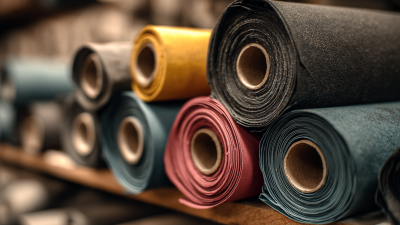
Natural gum rubber is a plant-based elastomer, mainly collected as latex from Hevea brasiliensis trees. After tapping, the latex is filtered, coagulated, washed, and dried into sheets, blocks, or technically specified grades. It offers high tensile strength, elasticity, and fatigue resistance. However, heat, ozone, and petroleum oils can reduce its service life. That limitation matters.
China is a major supplier of processed natural rubber products, even though it is not the largest producer of raw latex. The International Rubber Study Group’s Rubber Statistical Bulletin, 2024 edition, reports that China produces less than one million tonnes of natural rubber annually, while its domestic consumption exceeds four million tonnes. This gap supports extensive imports, processing capacity, and regional distribution.
China’s advantage comes from manufacturing depth. Suppliers can compound rubber, control moisture, test viscosity, and produce customized forms for seals, gloves, vibration parts, and industrial sheets. UN Comtrade data also shows China remains a leading global trader of rubber-related materials and finished goods. In practice, buyers should verify plantation origin, technical data sheets, batch testing, and traceability records. A low price may hide inconsistent ash content or poor storage. That is easy to overlook. Supplier rankings can also change quickly, because weather, shipping costs, and export policies affect availability.
China Top 10 Natural Gum Rubber Suppliers?
Natural gum rubber is a renewable elastomer obtained from the latex of rubber trees. It is valued for its high elasticity, tensile strength, abrasion resistance, and flexibility.
The chart shows approximate natural rubber production by major producing countries in 2023, measured in million metric tonnes. China is both a producer and a major global supplier of rubber products because of its large manufacturing base, processing capacity, export infrastructure, and demand from the automotive, tire, footwear, medical, and industrial sectors. China also supplements domestic production with imported natural rubber from Southeast Asia and Africa.
Source: Approximate 2023 figures compiled from publicly available natural rubber industry statistics, including ANRPC and national production reports.
How to Evaluate China’s Top 10 Natural Gum Rubber Suppliers
China Top 10 Natural Gum Rubber Suppliers?
The better question is how to evaluate them. A supplier ranking means little without measurable evidence. The International Rubber Study Group’s World Rubber Industry Outlook 2024 places global natural rubber demand near 15 million tonnes annually. That scale makes consistency more valuable than attractive quotations. Price alone misleads.
Request recent certificates of analysis for every grade. Check Mooney viscosity, tensile strength, ash, dirt, volatile matter, and curing behavior. Compare results with the agreed technical datasheet, not a generic catalogue. ISO 9001 helps, but it does not replace batch testing. ANRPC’s Natural Rubber Trends and Statistics reports document yearly changes in production, consumption, and stocks. Use those trends when judging delivery promises. Ask how the material is sourced, stored, blended, and traced.
Audit the factory, warehouse, laboratory, and complaint records. Look for calibrated instruments and retained samples. Request a blinded sample before approving bulk supply. Then test it independently.
China Customs trade data can support capacity checks, but customs volume does not prove product quality. Ask for shipment history, lead-time records, packaging photos, and a corrective-action example.
The final ranking may remain imperfect. That is normal. An honest scorecard should show missing evidence instead of hiding it.
Product Grades, Certifications, and Main Industrial Applications
China Top 10 Natural Gum Rubber Suppliers: Product Grades, Certifications, and Main Industrial Applications
China’s natural gum rubber suppliers usually offer technically specified rubber, concentrated latex, and customized compounds. Common TSR grades include TSR 5, TSR 10, and TSR 20, classified by dirt, ash, nitrogen, and volatile matter. Concentrated latex often contains about 60% dry rubber content. The International Rubber Study Group has reported global natural rubber production near 15 million tonnes annually, keeping traceability and consistent grading important for industrial buyers.
Certification quality differs between suppliers. ISO 9001 supports documented quality control, while ISO 14001 indicates structured environmental management. FSC certification may help verify responsibly managed rubber plantations and supply chains. Export buyers should also request test reports based on ASTM or ISO methods, including viscosity, Mooney value, tensile strength, and residue content. A certificate alone is not enough. Its audit scope may cover only one factory.
These materials serve tire components, vibration isolators, conveyor belts, hoses, seals, footwear, and industrial gloves. High-purity latex suits dipped products requiring elasticity and controlled film formation. TSR grades fit molded parts and heavy-duty rubber compounds. Reports from the Association of Natural Rubber Producing Countries continue to show strong demand from transportation and manufacturing sectors. However, supplier comparisons can be imperfect because batch consistency, plantation origin, storage time, and compounding skill are not always disclosed clearly. A practical review should examine recent batch data, production capacity, moisture protection, and corrective-action records before long-term purchasing.
How to Compare Suppliers, Pricing, Quality, and Export Services
China Top 10 Natural Gum Rubber Suppliers: How to Compare Suppliers, Pricing, Quality, and Export Services
A top-ten supplier list should not be a popularity contest. Compare each supplier through origin, processing capacity, certification, and shipment history. The ANRPC reports that its member countries produce roughly 85% of global natural rubber, so regional sourcing knowledge matters. Request RSS, TSR, or latex specifications, depending on your application. Check moisture, dirt content, ash, viscosity, and packaging weight. A clear laboratory report is more useful than a polished sales presentation.
Pricing requires careful comparison. The IRSG Rubber Statistical Bulletin shows that natural rubber prices vary by grade, origin, exchange rate, and delivery month. Compare the full landed cost, not only the factory quote. Include packing, inland transport, insurance, port charges, and payment terms. A lower offer may hide weaker consistency or slower documentation. Ask for three recent quotations using the same Incoterm and volume.
Tip: Order a small trial lot before signing a large contract. Inspect the bale surface, odor, labeling, and weight at arrival. Ask whether the supplier can provide certificates of origin, packing lists, commercial invoices, and inspection records. Trade data from the International Trade Centre can help verify export patterns under HS code 4001. However, trade records do not prove production quality. I have found that communication speed is an imperfect but useful warning signal. Suppliers who avoid technical questions may create bigger problems later.