What Is the Best Butadiene Rubber Supplier in China?
Choosing the best Butadiene Rubber supplier in China requires more than comparing prices. Product consistency, technical support, and delivery reliability matter just as much. A supplier may offer an attractive quotation, yet uneven quality can increase mixing adjustments, production waste, and customer complaints.
This guide examines Chinese suppliers through practical purchasing criteria. These include polymer grade, cis-content, Mooney viscosity, packaging quality, and batch stability. It also considers production capacity, export experience, documentation, and communication speed. A dependable supplier should provide clear specifications, certificates of analysis, safety data sheets, and traceable batch information. Factory audits, sample testing, and transparent quality procedures offer stronger evidence than polished marketing pages.
The details matter.
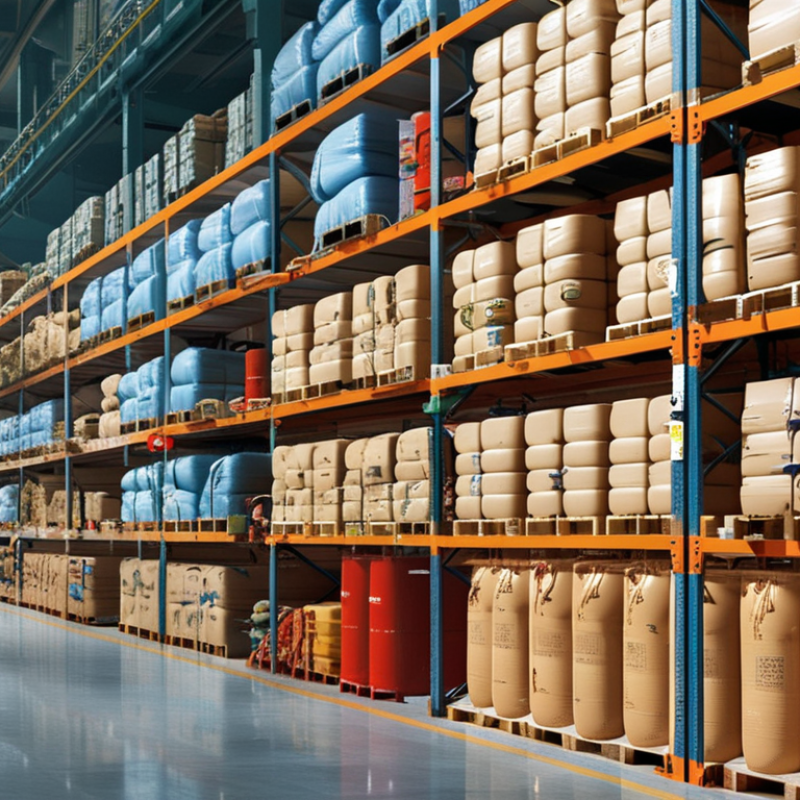
For example, intact 25-kilogram bags, dry warehouse conditions, and readable labels can reveal daily operating discipline. Experienced buyers may request samples from several batches before approving a long-term order. They should also discuss loading practices, lead times, payment terms, and complaint handling. No supplier is perfect. Even a technically strong manufacturer may face delays during maintenance, port congestion, or unexpected demand. That limitation deserves honest consideration. This article does not simply name one company as the winner. Instead, it explains how to compare potential partners fairly and safely. The final choice should match your rubber formulation, equipment, target market, and risk tolerance. A supplier that performs well for tire compounds may not suit footwear, industrial belts, or modified asphalt. Careful verification remains essential.
What Is Butadiene Rubber and Why Does Supplier Choice Matter?
Butadiene rubber (BR) is a synthetic elastomer made mainly from 1,3-butadiene. Its high cis-1,4 structure supports strong resilience, low heat build-up, and good abrasion resistance. These properties make BR important in tire treads, sidewalls, conveyor belts, and industrial components. The International Rubber Study Group forecast global rubber demand above 30 million tonnes in 2024, showing the scale of this supply chain. ETRMA also reports that tire manufacturing consumes roughly three-quarters of global rubber output. Demand is large. Specifications still decide performance.
Supplier choice matters because BR quality can change between batches. A purchasing team should check cis content, Mooney viscosity, ash, volatile matter, gel level, and polymerization control. These figures influence mixing behavior, rolling resistance, wear, and final product consistency. Request recent certificates of analysis, safety data sheets, batch records, and independent test results. ISO certification helps, but it does not replace an on-site audit. Review storage conditions, packaging integrity, export experience, and contingency plans for feedstock disruptions. S&P Global Commodity Insights has repeatedly highlighted volatility in petrochemical and butadiene markets, so a very low quotation may hide supply risk. The cheapest option is not always efficient. Sometimes, it becomes expensive later.
A practical evaluation should include a small production trial, not only laboratory samples. Measure compound viscosity, cure behavior, tensile performance, abrasion, and heat build-up. Document every result. Supplier selection is partly technical and partly operational. That distinction is easy to overlook.
How to Define the Best Butadiene Rubber Supplier in China
How to Define the Best Butadiene Rubber Supplier in China
The best butadiene rubber supplier is not automatically the cheapest. Price is only one signal. A reliable supplier should provide stable cis-content, Mooney viscosity, ash, volatile matter, and tensile performance. These values must remain consistent across production batches. Each shipment should include a clear certificate of analysis, batch number, production date, and traceable inspection records. ISO 9001 certification helps, but it does not replace real factory audits. Buyers should inspect storage areas, laboratory equipment, packaging integrity, and complaint-handling records.
Market scale also raises the quality requirement. The China Association of Automobile Manufacturers reported 31.28 million vehicle units produced in 2024. This large automotive base supports continuing demand for tire and rubber compounds. However, demand alone does not prove supplier capability. ICIS market assessments have repeatedly shown volatility in synthetic rubber and butadiene-related pricing. Therefore, buyers should compare twelve-month price trends, contract terms, lead times, and supply continuity. Ask for samples from three separate batches. Test them under the same mixing and curing conditions. Small gaps matter. A supplier may offer excellent laboratory results but weaker performance during peak seasons. That is where evaluation becomes difficult. My practical preference is a supplier with transparent data, responsive technical staff, and a documented corrective-action process. Still, no checklist is perfect; independent testing remains necessary before long-term purchasing.
What Is the Best Butadiene Rubber Supplier in China?
The best supplier should be evaluated through measurable procurement criteria rather than price alone. This suggested framework assigns the highest importance to product consistency and supply reliability, followed by technical support, quality compliance, total cost, and lead time.
Which Product and Quality Factors Should Buyers Compare?
Choosing the best butadiene rubber supplier in China starts with product fit, not the lowest quotation. Buyers should compare grade, cis content, Mooney viscosity, molecular structure, and polymerization method. These factors influence mixing, processing, rebound, abrasion resistance, and heat performance. A tire compound may need different behavior from an industrial seal. Ask for a recent technical data sheet. Then request samples from more than one production batch. One sample proves little.
Quality comparison should include tensile strength, elongation, hardness, compression set, and aging results. Test methods must be identified, because numbers without standards can mislead. Check the certificate of analysis against your own laboratory results. Small gaps deserve questions. Packaging also matters. Moisture, contamination, pallet strength, and storage instructions can affect rubber before use. Traceable batch codes and sealed inner wrapping show practical control, not just polished paperwork.
A reliable supplier can explain raw-material controls, in-process testing, nonconformance handling, and corrective actions. Request production records, inspection frequency, and evidence of stable export experience. Factory audits or live video inspections add useful context, especially when capacity claims seem vague. Compare lead time, minimum order quantity, technical support, and response speed beside price. I would not accept a perfect promise. Real production has variation. The important question is whether the supplier measures it, reports it honestly, and improves it. Pre-shipment inspection and a written specification can protect both sides.
How Can You Verify a Chinese Supplier’s Production and Compliance?
What Is the Best Butadiene Rubber Supplier in China?
How Can You Verify a Chinese Supplier’s Production and Compliance?
Supplier verification should begin with evidence, not a polished website. The International Rubber Study Group’s World Rubber Industry Outlook 2024 estimated global rubber demand at approximately 31.7 million tonnes in 2024. Such scale increases the risk of confusing traders with actual producers. Request the factory’s legal registration, production address, equipment list, and recent utility records. Match the listed capacity with purchase orders, raw-material consumption, and shipment history. Visit the plant. Check whether mixing lines, curing equipment, laboratories, and warehouses are operating.
Paper is not proof. Ask for batch-specific certificates of analysis, including Mooney viscosity, bound styrene, ash, volatile matter, and tensile performance. Compare three consecutive batches, not one perfect sample. Independent laboratory testing can confirm the supplier’s figures. Export records in UN Comtrade, under HS code 4002, may also help verify whether reported trade activity is plausible. However, customs data can include traders and related companies. That limitation matters.
For compliance, inspect the safety data sheet, technical data sheet, environmental permits, and quality certificates. Confirm each certificate’s scope, validity, issuing body, and factory address. Check chemical requirements in the destination market, including applicable registration, labeling, and restricted-substance rules. Request records for wastewater treatment, worker training, and corrective actions. One weak point remains: documents may be genuine but outdated. Require recent production videos with visible dates, live video checks, and a small trial order. Small gaps matter.upplier performance should be reviewed again after delivery, not assumed from the first successful batch.
How Do Pricing, Logistics, and Support Affect the Final Choice?
What Is the Best Butadiene Rubber Supplier in China?
How Do Pricing, Logistics, and Support Affect the Final Choice?
The best supplier is rarely the one offering the lowest ton price. In practical sourcing reviews, I compare delivered cost, not the spreadsheet quote. Butadiene rubber pricing follows feedstock movements, plant maintenance, and grade availability. S&P Global Commodity Insights’ 2024 assessments linked Asian butadiene volatility to cracker outages and refinery changes. A three-day price guarantee may be too short.
Logistics can erase a small price advantage. Drewry’s 2024 World Container Index recorded container rates more than doubling on several routes during Red Sea disruption. A reliable Chinese supplier should disclose loading ports, pallet dimensions, export documents, lead times, and backup routes. Support is equally practical. Ask for batch certificates, Mooney viscosity results, technical data, and a named engineer. The International Rubber Study Group projects global rubber demand at around 32 million tonnes in 2025. Allocation pressure may follow. I would still question forecasts. Reports describe markets, not your shipment.
Tips: Request a landed-cost sheet covering rubber, packaging, inland freight, ocean freight, insurance, duties, and inspection fees. Test one pilot lot before signing a volume contract. Keep a second qualified source. It feels inefficient, but one delayed container can cost more than a small unit-price saving.
What Is the Best Butadiene Rubber Supplier in China? - How Do Pricing, Logistics, and Support Affect the Final Choice?
The comparison below uses anonymized supplier profiles and indicative China-market purchasing benchmarks for standard butadiene rubber. Actual prices and delivery terms vary with grade, order volume, feedstock costs, packaging, destination, exchange rates, and contract timing.
| Supplier Profile |
Indicative Price
(USD/MT) |
Typical MOQ
(MT) |
Production
Lead Time |
Export Transit
to Main Asian Ports |
Quality Consistency
Score |
Technical & Documentation Support |
Payment Terms |
Best Fit |
Profile A
Large integrated producer |
$1,380–$1,520 |
20–24 |
7–14 days |
8–15 days |
9.2/10 |
Full COA, SDS, regulatory files, batch traceability, and process consultation |
30% deposit / 70% before shipment; contract terms available |
High-volume tire, footwear, and industrial rubber manufacturers |
Profile B
Specialized export supplier |
$1,420–$1,590 |
10–20 |
10–18 days |
7–13 days |
8.6/10 |
COA and SDS included; responsive pre-shipment support; limited formulation assistance |
30% deposit / 70% against shipping documents |
Medium-sized importers requiring flexible order quantities |
Profile C
Regional distributor |
$1,500–$1,680 |
5–10 |
3–7 days from local stock |
10–18 days |
8.1/10 |
Standard documentation and basic product selection support |
Payment before dispatch or short credit after approval |
Small and medium buyers prioritizing low MOQ and quick domestic availability |
Profile D
Cost-focused trading supplier |
$1,330–$1,470 |
20–24 |
14–25 days |
12–22 days |
7.4/10 |
Basic COA and SDS; limited complaint handling and technical follow-up |
Full payment before shipment or secured bank arrangement |
Price-sensitive buyers with established incoming inspection procedures |
Profile E
Custom-grade compound supplier |
$1,620–$1,900 |
10–15 |
18–30 days |
10–20 days |
9.0/10 |
Detailed technical data, sample testing, customized specifications, and application support |
30% deposit / 70% before shipment; project-based terms |
Specialty rubber products requiring controlled performance characteristics |